Mold at Home: Find the Cause Instead of Just Wiping It Away
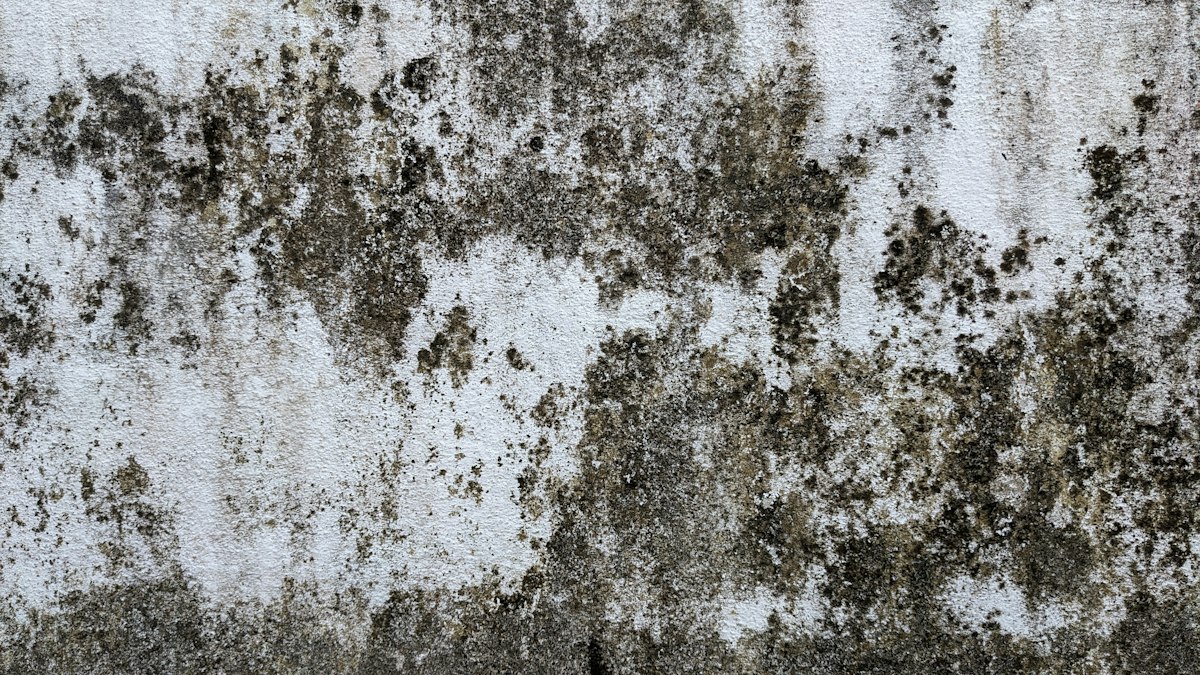
Mold is the most common household pollutant case of all — and the most commonly mishandled. Wiping away the black spots treats the symptom. Mold grows wherever moisture persists. Without finding the moisture source, it always comes back.
Why mold is a health topic
Molds release spores and metabolic products into indoor air. According to the EPA and WHO, they can promote respiratory irritation, allergies, and asthma — especially in children, allergy sufferers, and people with weakened immune systems. Panic is still misplaced: what matters is the extent and duration of growth, not a single spot on the shower caulk.
The three usual suspects
- Humidity management: warm air holds a lot of water. When it cools against cold surfaces, moisture condenses — ideal growing conditions. Classic case: the cool bedroom with the door open to a warm living area, or an oversized AC that cools without dehumidifying.
- Thermal bridges: poorly insulated corners, window reveals, and closets on exterior walls run colder than the rest — moisture settles there first.
- Building defects: roof leaks, plumbing failures, rising damp, flooded basements. No amount of ventilation fixes these — they require repair.
DIY or call the pros?
- Small areas — the EPA’s guideline is about 10 square feet (roughly 1 m²) on hard surfaces: you can clean them yourself with detergent and water, gloves on, room ventilated. Experts generally advise against fogging living spaces with harsh biocide sprays.
- Larger or recurring growth, mold behind furniture, in carpets, inside walls, or after water damage belongs to professionals — including a cause analysis. Ballpark: a professional mold assessment with a written report runs a few hundred dollars.
- Renters should document the growth (photos, dates) and notify the landlord — determining the cause is the owner’s job.
Prevention in one sentence
Keep indoor humidity between 40 and 60 percent: ventilate thoroughly, run bathroom and kitchen exhaust fans, dehumidify damp basements, keep furniture a couple of inches off exterior walls — and watch the numbers with a hygrometer.