Lead in Drinking Water: The Legacy America Is Finally Digging Up
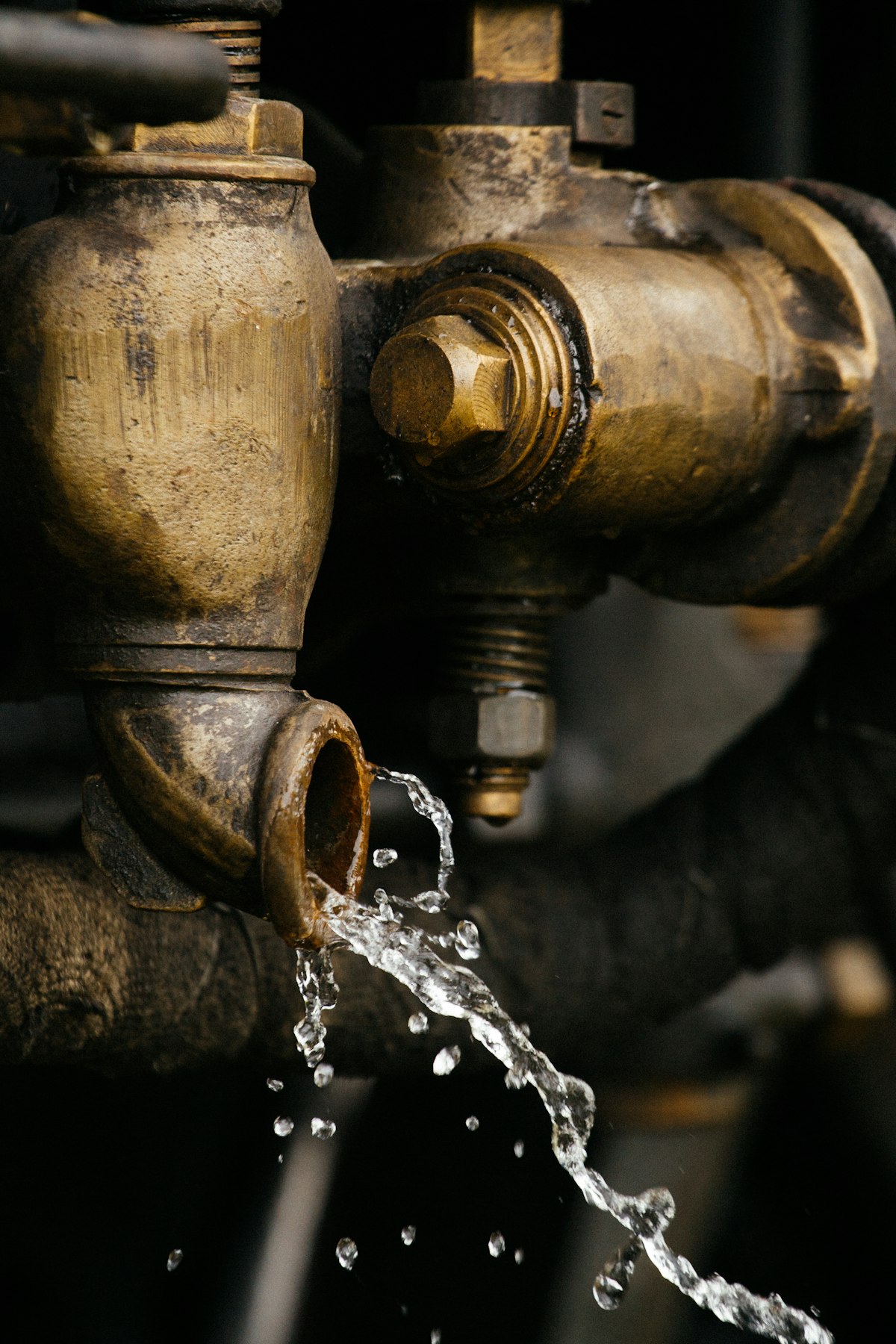
Flint, Michigan made it painfully clear: the utility’s water can meet every standard — and still pick up lead in the last stretch into and inside your house. The sources are lead service lines, lead solder (legal in the U.S. until 1986), and older brass fixtures.
Why lead is taken so seriously
Lead accumulates in the body and, even in small amounts, harms blood formation and the developing nervous system. Unborn children, infants, and toddlers are most vulnerable — the EPA and CDC agree there is no known safe level of lead exposure for children. For adults the risk is lower, but chronic exposure remains pointless.
The rules are tightening
The EPA’s Lead and Copper Rule Improvements (finalized 2024) require water systems to replace virtually all lead service lines within 10 years, lower the action level from 15 to 10 µg/L, and inventory every service line — you can ask your utility what your line is made of, and in many cities look it up on a public map. Europe is on the same path: the EU cuts its lead limit to 5 µg/L by 2036. In short: lead pipes are on their way out everywhere — but millions are still in the ground.
Spotting lead plumbing
- Year built: U.S. homes before 1986 may have lead solder; service lines in pre-1960s neighborhoods are the prime suspects.
- The scratch test: exposed lead pipe is dull gray, soft (a key scratches it shiny), non-magnetic, and makes a dull thud when tapped — unlike magnetic steel or reddish copper.
- When in doubt: measure. A certified lab test for lead (see Testing your tap water) costs $20–60. Crucial: take a first-draw sample — water that sat in the pipes overnight.
What helps immediately — and what actually solves it
Immediate measures: in the morning and after long absences, run the tap until the water turns noticeably colder (30 seconds to 2 minutes). Use only cold water for drinking, cooking, and formula — hot water dissolves more lead. An NSF/ANSI 53-certified filter (pitcher or faucet-mount, certified for lead) is a solid bridge solution.
The real fix: replacing the lead line. Under the new rules, utilities must replace their portion — ask about the schedule and about cost-sharing programs for the private portion. A documented reading above the action level is your strongest lever, whether you’re an owner dealing with the utility or a renter dealing with a landlord.
Sources
- EPA: Basic information about lead in drinking water
- EPA: Lead and Copper Rule
- EU Drinking Water Directive 2020/2184