Asbestos at Home: Where It Hides — and Why You Should Never Drill Into It
For decades asbestos was construction’s miracle material: cheap, fireproof, indestructible. Today we know that inhaled asbestos fibers can trigger lung cancer and mesothelioma decades later. In the U.S. it was never subject to a single clean cut-off ban — usage declined sharply through the 1980s, and the EPA only finalized a ban on the last type still imported (chrysotile) in 2024. The practical rule of thumb: in any home built before about 1980, assume asbestos could be present.
Where asbestos typically hides
- “Popcorn” textured ceilings and older ceiling tiles
- Flooring: old 9×9-inch vinyl tiles and their black mastic adhesive
- Pipe insulation and furnace/boiler wraps
- Vermiculite attic insulation (the Libby/“Zonolite” problem)
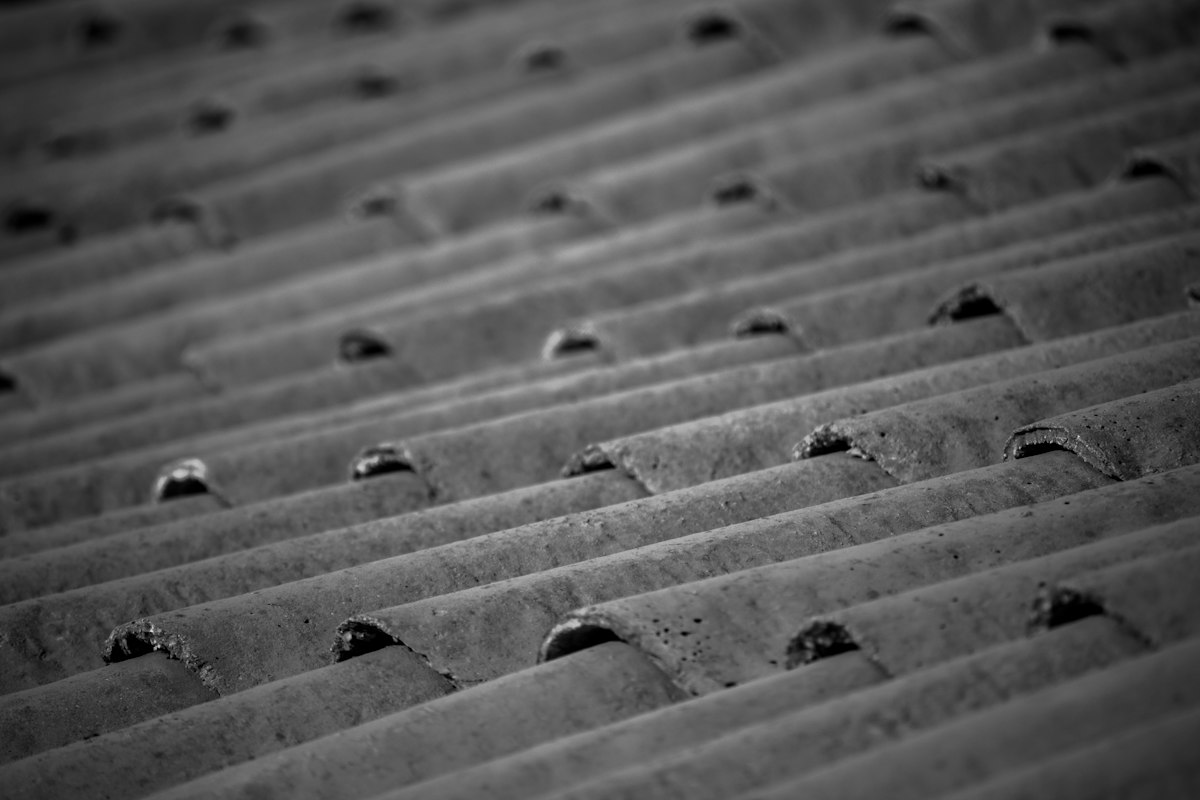
- Roofing, siding, and cement-board panels
- Joint compounds, plasters, and tile adhesives from certain eras
The most important rule: stay calm
Intact, firmly bound asbestos material releases very few fibers — an undamaged cement-board panel makes nobody sick. Danger arises when the material is worked on or damaged: drilling, sanding, breaking, demolition release millions of fibers. That’s exactly why most exposures today happen during DIY renovations.
Hence the golden DIY rule: in a pre-1980 home, never drill into or sand suspect materials until you know what they are.
How to get certainty
- Check the age and the building parts: year built, renovation history, the typical locations above.
- Have a material sample lab-tested: mail-in tests with analysis by an accredited lab cost about $30–75 per sample. When sampling: wet the material, don’t snap it, wear gloves and an N100/P100 respirator — or have a professional take the sample.
- Before major renovations: a professional asbestos inspection. Licensed inspectors survey the building before work starts — in many jurisdictions this is mandatory prior to renovation or demolition.
If asbestos is found
Intact, firmly bound materials can often stay right where they are — document them and leave them alone. Removing friable or damaged material belongs strictly in the hands of licensed asbestos abatement contractors with protective equipment and proper disposal. It costs money, and it’s non-negotiable: asbestos abatement is not a DIY project.
Asbestos isn’t the only legacy hiding in older buildings — what else to expect by construction year is covered in Pollutants when buying a home.